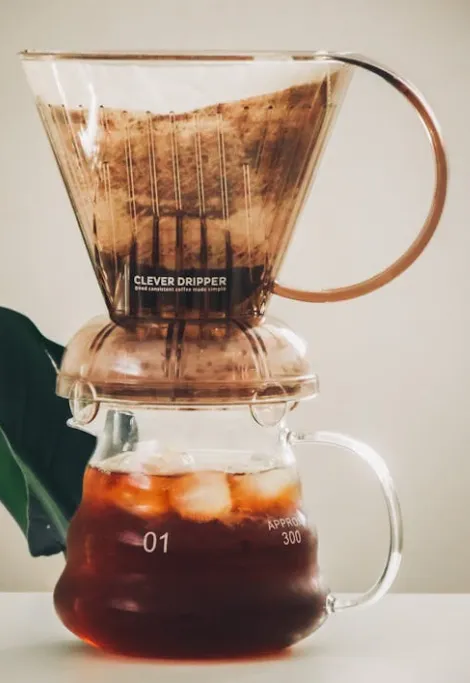
Cold brew coffee is a refreshing, smooth beverage that has gained popularity worldwide. Selecting the right beans is crucial to achieving the perfect cold brew. This guide explores the best coffee for cold brew, examining roast levels, origins, and processing methods to help you make an informed choice.
Understanding Cold Brew Coffee
Cold brew is coffee brewed without heat. Coarsely ground beans are steeped in cold or room-temperature water for 12 to 24 hours, then filtered. This method extracts a different range of compounds compared to hot brewing, resulting in a smooth, low-acid beverage. For a detailed exploration of cold brew, visit our Cold Brew Coffee page.
Ideal Roast Levels for Cold Brew
Roast level plays a significant role in the flavour profile of your cold brew. Medium to dark roasts are typically preferred because they offer a richer, more robust taste.
- Medium roast: Balances acidity and body, providing a well-rounded flavour. Notes of chocolate and nuts often come through, making it a popular choice for cold brew.
- Dark roast: Known for its bold, intense flavours with low acidity. Dark roasts can yield a rich, chocolatey cold brew with a smooth finish.
Light roasts can be challenging for cold brew due to their lower solubility and higher acidity, which may not extract well in cold water.
Coffee Origins That Shine in Cold Brew
The origin of the coffee beans significantly impacts the flavour of your cold brew. Here are some origins that excel:
- Brazil: Brazilian beans are a classic choice for cold brew due to their low acidity and heavy body. They often feature chocolate, peanut, and brown sugar notes.
- Colombia: Known for balanced sweetness and medium acidity, Colombian beans provide caramel and red apple notes, translating well into cold brew.
- Guatemala and Honduras: These regions offer beans with dark chocolate and nutty flavours, ideal for a rich cold brew experience.
For more on coffee origins, our Best Coffee for Cold Brew guide provides further insights.
Processing Methods: Washed, Natural, and Honey
Processing affects the flavour profile and clarity of your cold brew. The three main methods are:
- Washed: Produces clean, consistent flavours. Washed coffees are often clear and balanced, making them a reliable choice for cold brew.
- Natural: Retains more of the fruit's sweetness and body. Natural processed coffees can add depth and complexity to your cold brew.
- Honey: A middle ground between washed and natural, offering a balance of sweetness and clarity.
Each method brings unique characteristics to the cold brew, so experimenting with different processes can yield exciting results.
Freshness: The Key to Great Cold Brew
Freshness is often underestimated in cold brew preparation. Cold water extracts less efficiently than hot, so stale beans can result in a flat taste.
- Ideal freshness window: Use beans that are 10 to 28 days off roast. This allows for optimal extraction without the interference of excess CO₂.
- Too fresh: Beans less than 7 days off roast may still be degassing, leading to inconsistent extraction.
For more on maintaining freshness, see our Cold Brew Coffee page.
Comparing Different Coffee Types for Cold Brew
When choosing the best coffee for cold brew, consider the following comparisons:
- Medium vs Dark Roast: Medium roasts offer balanced flavours, while dark roasts provide bold, rich profiles.
- Brazil vs Colombia: Brazilian beans are robust and nutty, whereas Colombian beans are sweet and balanced.
- Washed vs Natural Processing: Washed coffees are clean and consistent, while natural coffees add complexity and body.
Experimenting with these variables can help you find the perfect cold brew to suit your taste.
FAQs
What is the best roast level for cold brew?
Medium to dark roasts are generally best for cold brew. They offer richer flavours and lower acidity, which translates well into the smooth, mellow profile of cold brew.
Can I use light roast coffee for cold brew?
While possible, light roasts can be challenging for cold brew due to their higher acidity and lower solubility. They may require adjustments in grind size and steeping time.
How does coffee origin affect cold brew flavour?
Coffee origin impacts the flavour profile significantly. Brazilian beans provide chocolate and nutty notes, while Colombian beans offer sweetness and balance.
Why is freshness important for cold brew?
Freshness ensures optimal extraction. Stale beans can lead to a flat taste, as cold water extracts less efficiently than hot.
What processing method is best for cold brew?
Washed coffees are a reliable choice for cold brew, offering clean and balanced flavours. Natural processed coffees add depth and complexity.
For more insights into coffee selection and brewing techniques, explore our Coffee Guides.