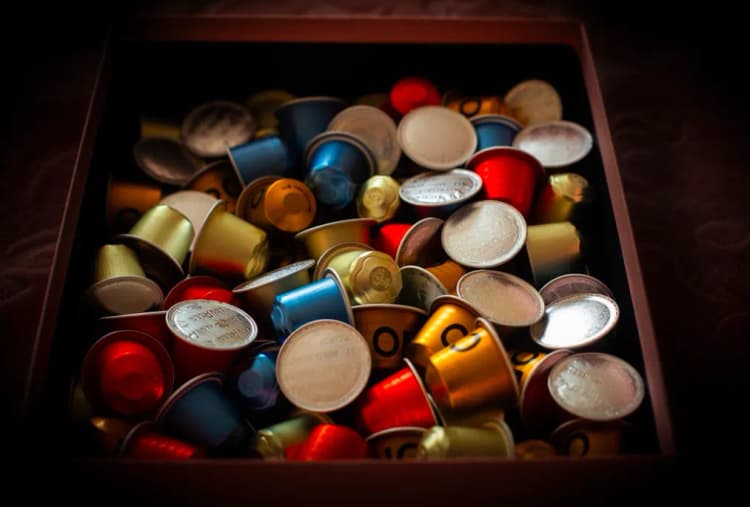
Coffee pods offer convenience but present a significant environmental challenge. In South Africa, the rise in coffee pod usage has prompted a closer look at how these pods are recycled and disposed of. This guide explores the recycling options for aluminium and plastic capsules, the local recycling landscape, and how to adopt lower-waste habits.
Understanding Coffee Pod Materials
Coffee pods are primarily made from aluminium or plastic, each with distinct recycling processes. Aluminium pods are generally easier to recycle due to their material properties. They can be melted down and reused without losing quality. Plastic pods, however, pose a greater challenge. They often consist of mixed plastics that complicate recycling efforts.
The Reality of Recycling in South Africa
South Africa's recycling infrastructure is evolving, but challenges remain. While some urban areas have robust systems, rural regions often lack facilities. Aluminium pods have a higher recycling rate due to their value and ease of processing. Many municipalities and private companies collect these pods, making it easier for consumers to recycle them.
Plastic pods are less commonly recycled. The mixed materials and contamination from coffee grounds make them less attractive to recyclers. Consumers are encouraged to check with local facilities about their ability to process these materials.
Recycling Programmes and Initiatives
Several initiatives aim to improve coffee pod recycling in South Africa. Some coffee brands offer take-back programmes, allowing customers to return used pods for recycling. These programmes often partner with recycling companies to ensure proper processing. Additionally, some retailers provide collection points for used pods, making it convenient for consumers to participate.
Lower-Waste Coffee Habits
Adopting sustainable coffee habits can significantly reduce waste. Consider using reusable coffee pods, which allow you to fill them with your choice of coffee. This option not only reduces waste but also offers flexibility in coffee selection.
Another approach is to explore alternative brewing methods. Methods like French press or pour-over eliminate the need for single-use pods entirely. These methods are not only eco-friendly but also offer a richer coffee experience.
Composting Coffee Grounds
For those using coffee pods at home, consider composting the coffee grounds. While the pods themselves may not be compostable, the grounds inside are rich in nutrients and can enhance garden soil. Simply remove the grounds from the pod and add them to your compost bin.
FAQs
Can I recycle all types of coffee pods in South Africa?
Not all coffee pods are recyclable in South Africa. Aluminium pods have more recycling options compared to plastic ones. Check with local facilities to confirm their capabilities.
What should I do if my area doesn't offer coffee pod recycling?
If local recycling options are unavailable, consider participating in take-back programmes offered by coffee brands. Alternatively, explore reusable pod options to minimise waste.
Are there any eco-friendly alternatives to coffee pods?
Yes, reusable coffee pods and alternative brewing methods like French press or pour-over are eco-friendly options that reduce waste.
How can I ensure my coffee pods are recycled properly?
Ensure that your coffee pods are clean and free of coffee grounds before recycling. Participate in brand-specific recycling programmes for better assurance of proper processing.
Is composting coffee grounds from pods beneficial?
Yes, composting coffee grounds enriches soil with nutrients and reduces waste. Separate the grounds from the pods before adding them to your compost.
By understanding the materials and recycling options for coffee pods, South Africans can make informed choices that benefit the environment. Explore more sustainable coffee practices in our guides section.